Luxury Retail
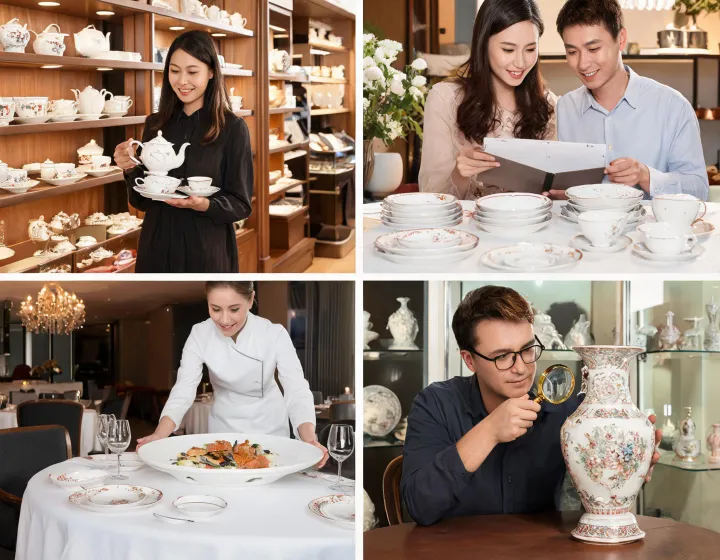
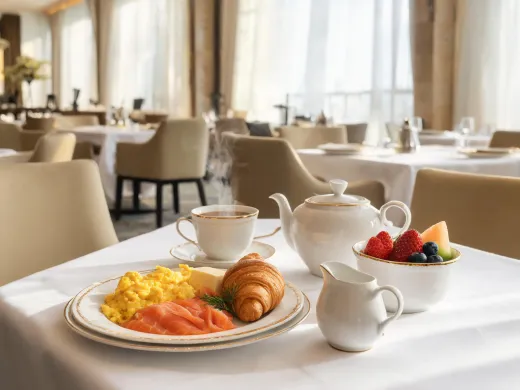
Royal Copenhagen supports gifting decisions across retail, registry, hospitality, and collector contexts. Each audience reads value differently, so the same porcelain vocabulary must be translated with care.
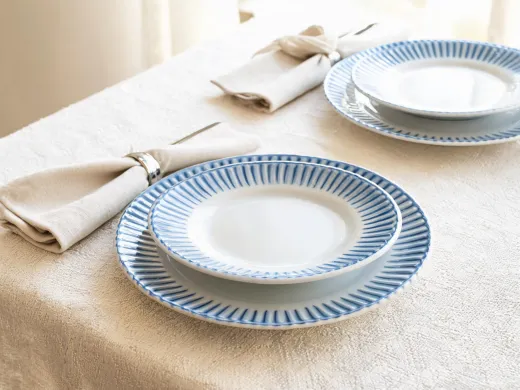
Luxury Retail
Wedding Registry
Hospitality Tables
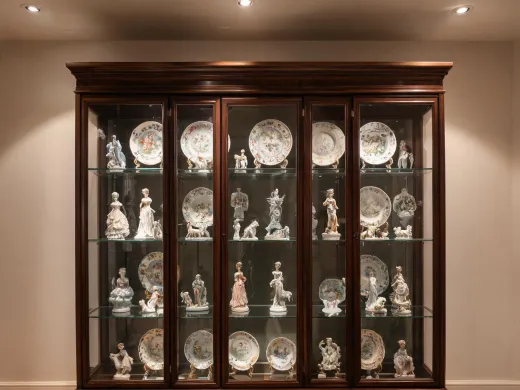
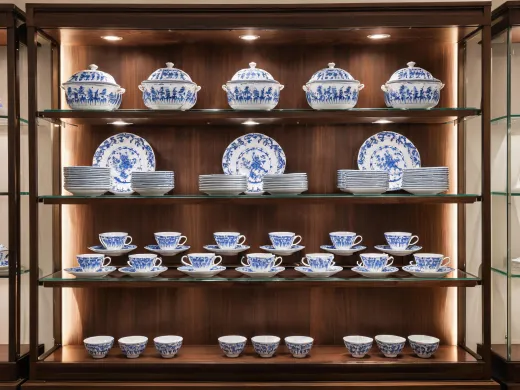
Collector ChannelsRetail buyers usually need a story that can be understood quickly from a shelf: pattern recognition, blue-white identity, and visible gift readiness. Registry consultants need continuity, so they can help a household start with place settings and add serving pieces, tea service, or seasonal accents later. Hospitality buyers read porcelain through service rhythm, replacement logic, and table photography; an object has to be beautiful without making service complicated. Collectors respond to subject, series, scarcity cues, and emotional fit. These differences make recipient mapping essential. A porcelain figurine may be ideal for a collector anniversary but wrong for a hotel suite. A dinnerware set may be perfect for a registry but too large for an executive thank-you. Our industry page keeps those distinctions visible so the buying conversation starts in the right frame. It also prevents category drift. Fine china should not be sold like novelty merchandise, and a collectible piece should not be described with the same language used for a service plate. A buyer who understands the recipient setting can brief packaging, card copy, product scale, and follow-up care with more precision. That precision is what makes a refined porcelain gift feel personal instead of merely expensive.
Good porcelain gifting depends on knowing whether the recipient will use, display, collect, or remember the piece. The recommendation changes when that answer changes.
Tell us whether the program is retail, registry, hospitality, collector, or personal. We will recommend the most suitable path.